Examples
Practical, runnable examples that compose multiple Sapiens heads.
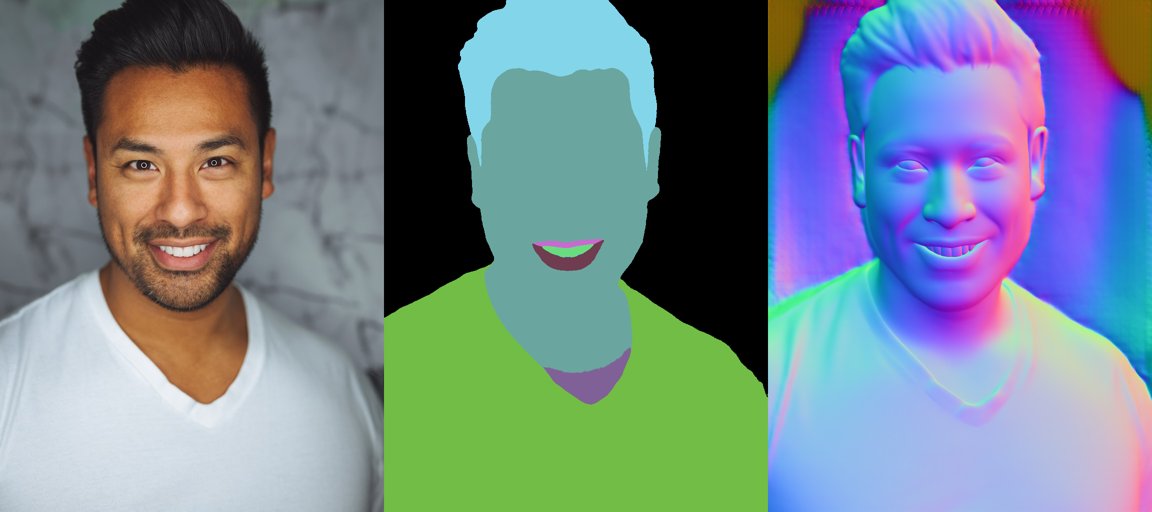
-
📁 Batch segmentation on a folder
Run 29-class segmentation on every image in a directory and summarize class coverage.
→ Read
-
🧍 Pose + seg pipeline
Combine pose + segmentation to get per-limb attention weights on a dance photo.
→ Read
-
🧠 Backbone features for RAG
Embed a library of human images with the 0.1B pretrain backbone and retrieve with cosine similarity.
→ Read
Common patterns
Conditional execution
Only run a head if the checkpoint is available:
from strands_sapiens import sapiens_info, sapiens_seg

info = sapiens_info()
data = info["content"][1]["json"]   # the structured JSON block
if "seg" in data["available"]:
    sapiens_seg(input_path="...", output_dir="...")
else:
    print("No seg checkpoint - download from MODEL_ZOO")
Agent-driven pipeline
Let the agent decide which heads to run:
from strands import Agent
from strands_sapiens import TOOLS

agent = Agent(tools=TOOLS)
agent("""
  For every photo in ./input:
  1. Run seg.
  2. If the subject is in frame, also run pose.
  3. Save results to ./output.
  Summarize at the end.
""")
Error-surface for retry loops
Every tool returns status: error with a traceback in the JSON block rather than raising.
That makes it trivial to wrap tools in retry logic or self-healing loops: