Audio
Every clip below is real stabilityai/stable-audio-open-1.0 output (fp16/cuda) —
one use_diffusers call each, 44.1 kHz stereo, written straight to .wav. The
sample rate comes from the model, never assumed.
-
“A dog barking in a backyard”
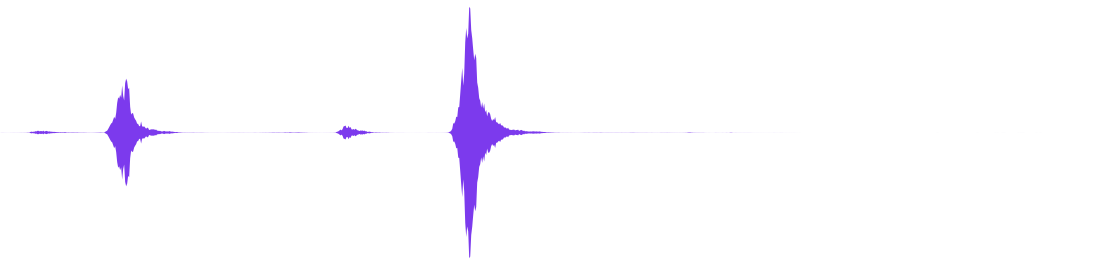
-
“Heavy rain and rolling thunder”
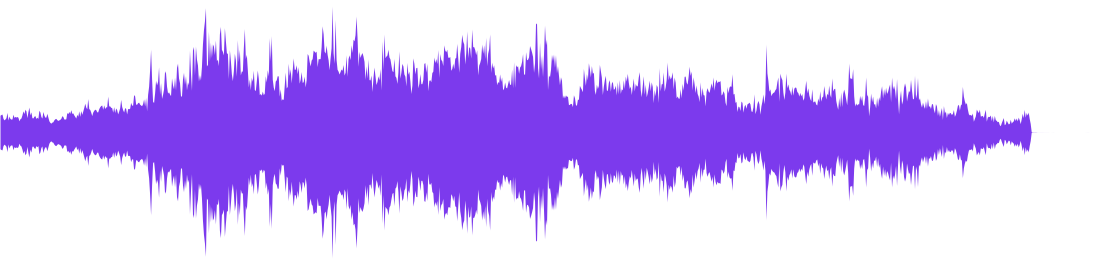
-
“Birds chirping in a forest at dawn”
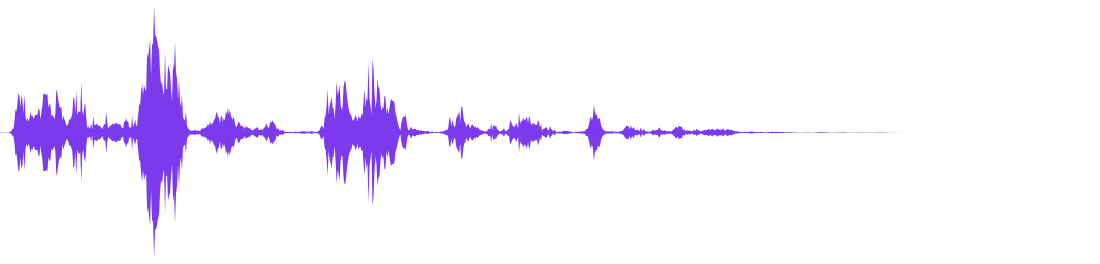
-
“Mechanical keyboard typing quickly”
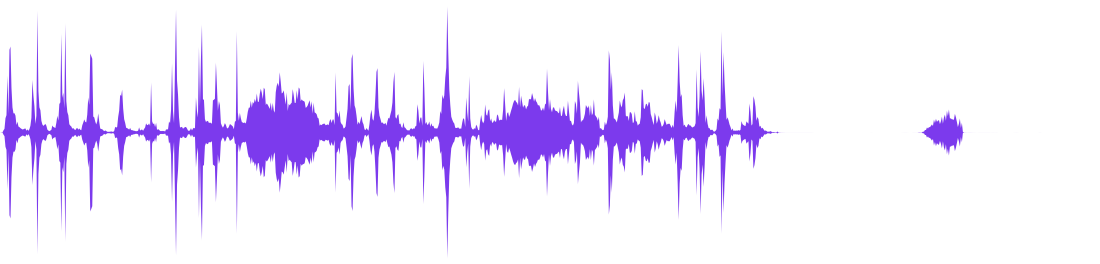
Music, too
The same model does music. Here's a 10-second lo-fi beat — one call, stereo:
One call
from strands_diffusers import use_diffusers

use_diffusers(
    action="run",
    pipeline="StableAudioPipeline",
    model="stabilityai/stable-audio-open-1.0",
    parameters={"prompt": "A dog barking in a backyard",
                "negative_prompt": "low quality, muffled",
                "audio_end_in_s": 5.0,
                "num_inference_steps": 120},
    dtype="float16", device="cuda",
)
# -> artifacts: ['/tmp/strands_diffusers/audio_*.wav']  (44.1 kHz stereo)
Scheduler is handled for you
stable-audio-open-1.0 ships with CosineDPMSolverMultistepScheduler, which
depends on torchsde — and that hits a RecursionError on some torch builds.
use_diffusers automatically swaps it for the equivalent non-SDE
DPMSolverMultistepScheduler, so the call above just works. Want the original?
Set STRANDS_DIFFUSERS_KEEP_SDE_SCHEDULER=1.
Stereo is preserved end-to-end: output is written as [N, C] whether the model
returns channels-first [C, N] or channels-last [N, C], and the time axis is
always kept.
Find an audio pipeline
use_diffusers(action="modalities")["data"]["audio"]
# ['AceStepPipeline', 'AudioLDMPipeline', 'AudioLDM2Pipeline',
#  'MusicLDMPipeline', 'StableAudioPipeline', 'DanceDiffusionPipeline', ...]
| model | rate | best for |
|---|---|---|
| stable-audio-open-1.0 | 44.1k stereo | sound effects, ambience, short music |
| ACE-Step-v1-3.5B | 44.1k stereo | full songs with vocals |
| musicgen | 32k | instrumental music |
| audioldm2 | 16k | speech / SFX |